10 Red Flags When Buying a House: What to Watch for at Open Houses in Ottawa
Open houses showcase the good, but the warning signs often hide in the details. From musty basements and water stains to aging roofs and DIY fixes, these 10 red flags show Ottawa homebuyers what to look for before making an offer and how a professional inspection can protect your investment.
Introduction
Open houses are designed to highlight a property’s best features. The fresh paint, staged furniture, and pleasant smells are all meant to leave a good impression. But as a home inspector, I know that the real story is often written in the small details buyers overlook. Recognizing a red flag early can save you from unexpected costs and stress down the road. Here are the top 10 warning signs every Ottawa buyer should keep an eye out for.
1. Musty Smell in the Basement
A damp, musty odor in the basement is more than just an “old house smell.” It often signals water intrusion, hidden mold growth, or poor ventilation. Moisture problems can be costly to fix and, if ignored, may damage structural components like framing or joists. Mold also poses health risks, especially for those with allergies or asthma. In Ottawa homes, where snowmelt and heavy rains put pressure on foundations, basements are common trouble spots. Never dismiss this smell, treat it as a warning to look deeper for potential water damage.
2. Fresh Paint in Isolated Areas
Fresh paint isn’t always just about décor. When only one wall or patch is painted, it may be hiding cracks, water stains, or past damage. Sellers sometimes use paint to quickly cover issues rather than fix them properly. Take a closer look at areas that don’t match the rest of the room, especially near ceilings, corners, or basements. Look for uneven texture, bubbling, or discoloration bleeding through. Fresh paint in small sections should prompt you to ask why repairs were needed and whether the underlying problem was ever fully addressed.
3. Cracks in Walls or Ceilings
Not all cracks are created equal. Hairline cracks are common as homes naturally settle, but wide, jagged, or stair-step cracks can suggest structural movement or foundation problems. Cracks radiating from doors and windows may indicate shifting frames, while those along ceilings could signal roof or truss stress. Ottawa’s freeze-thaw cycles put added strain on foundations, making cracks an important red flag. Cosmetic fixes with plaster or paint can mask issues temporarily, so it’s wise to investigate further and ensure they’re not signs of something serious.
4. Sloping Floors
A sloping floor isn’t just a quirk of an older home. It can point to settlement problems, weakened support beams, or structural shifts. A quick test is to place a ball on the floor and see if it rolls, but also pay attention to doors that swing open on their own or furniture that doesn’t sit level. In severe cases, sloping floors can affect safety and indicate costly repairs are on the horizon. While minor settling is common, significant slopes should never be ignored during an open house, especially in homes with finished basements or additions.
5. Outdated Electrical Panels
Old fuse boxes, aluminum wiring, and undersized panels aren’t just outdated. They can be serious fire hazards. Aluminum wiring, common in homes built during the 1960s and 70s, is especially prone to overheating and failing at connection points. An undersized panel may also prevent you from running today’s energy-hungry appliances, such as central air conditioning, EV chargers, or even the electrical load of a finished basement. Electrical upgrades can be costly, but they are often necessary for both safety and long-term functionality.
6. Signs of DIY Renovations
Crooked tiles, uneven flooring, or exposed wiring can be more than cosmetic flaws—they often signal work done without permits or professional oversight. What may look like a simple shortcut can hide serious problems beneath the surface. Poorly laid tile can trap water and lead to leaks or mold. Uneven flooring may suggest subfloor damage or settlement issues. When workmanship falls short of code, today’s small defect can easily turn into tomorrow’s costly repair or safety risk.
7. Water Stains Around Windows
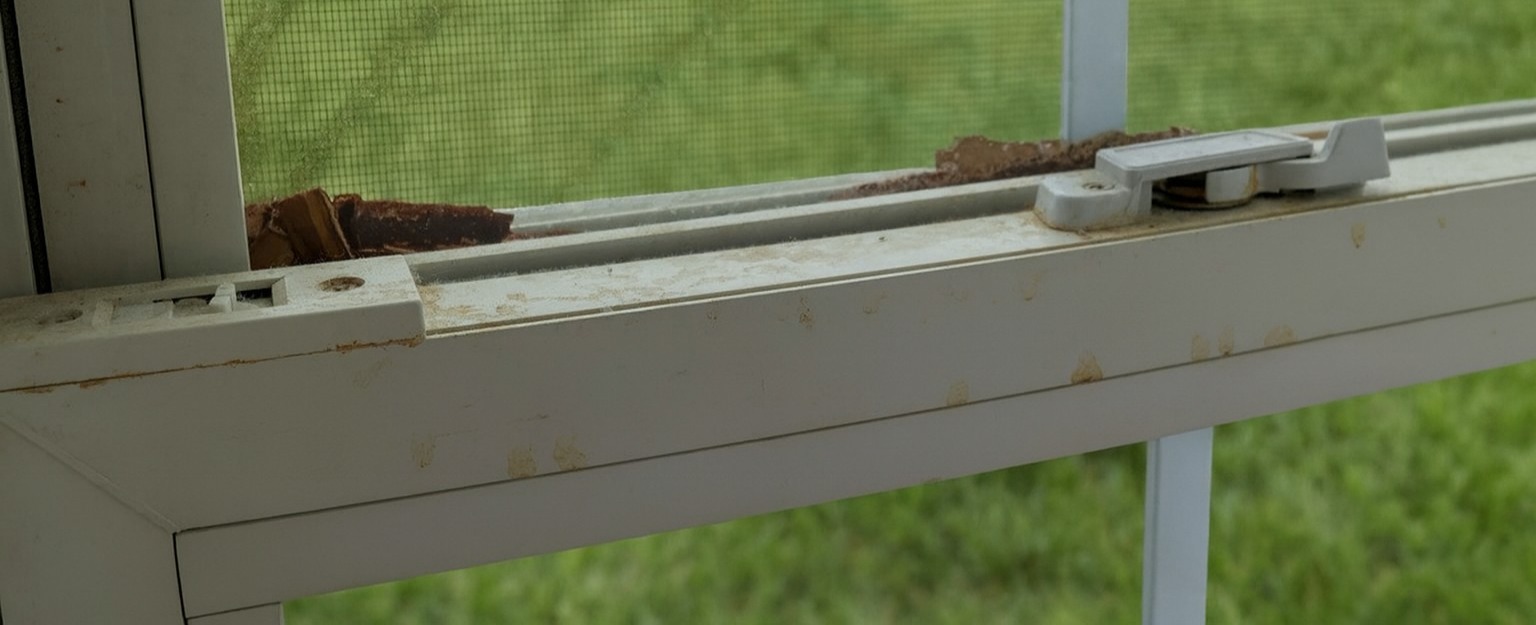
Brown rings or peeling paint near window frames are more than cosmetic concerns, they often signal leaks, failed seals, or ongoing condensation problems. Moisture that seeps in around windows doesn’t just damage paint; it can lead to wood rot, mold growth, and even structural deterioration if ignored. Failed seals also reduce energy efficiency, causing drafts and higher heating and cooling bills. What looks like a small stain today may be an early warning of larger repair costs tomorrow, making it a red flag every homebuyer should watch for.
8. Poor Ventilation in Bathrooms
A bathroom without a working exhaust fan or with mildew on the ceiling is more than just an inconvenience, it’s a clear red flag for future mold and moisture problems. Proper ventilation helps remove excess humidity from showers and baths, protecting paint, drywall, and fixtures from long-term damage. In Ottawa’s humid summers, poor airflow makes it even easier for mildew and mold to thrive, which can affect indoor air quality and even your health. Replacing or repairing fans is a relatively small cost compared to the damage that unchecked moisture can cause over time.
9. Aging Roof Shingles
Curling, cracked, or missing shingles are more than just an eyesore, they signal that the roof is nearing the end of its life. A compromised roof can allow leaks that damage insulation, drywall, and even the structure beneath. Replacing a roof is one of the most expensive repairs a homeowner can face, often running into the tens of thousands. It’s also one of the most critical, since a roof is the first line of defense against Ottawa’s heavy snow, rain, and summer storms. Spotting shingle damage early can save you from much larger problems and unexpected costs down the road.
10. Overly Staged Homes
While staging can make a home look inviting, too much of it can be a red flag. Large rugs may be hiding stained or damaged floors, heavy curtains could be covering drafty windows, and dehumidifiers running during a showing may point to a damp basement. Overly arranged furniture can also be used to draw your eyes away from cracks, sloping floors, or other problem areas. While staging is common in Ottawa’s competitive market, buyers should look past the décor and ask what might be concealed. A picture-perfect room isn’t always the whole story, sometimes it’s a distraction.
Conclusion
Red flags don’t always mean you should walk away from a property, but they should prompt you to investigate further before committing to one of the biggest investments of your life.
Want a trained eye at your side? I specialize in helping Ottawa buyers spot red flags when buying a house. Book a pre-offer walk-through today, and I’ll guide you step by step so you can make a confident, informed decision.