What Snow and Ice Can Reveal About a Home

What Snow and Ice Can Reveal About a Home

Winter house hunting gives buyers an advantage. Snow and ice reveal hidden issues like poor insulation, frozen pipe risks, drainage problems, and foundation shifts. Learn what to look for when viewing homes in Ottawa this winter — before small warning signs become big repair bills.

Introduction

House hunting in winter may feel inconvenient, but it gives you a huge advantage. Snow and ice reveal flaws that no open house in July will ever show you. From roof insulation to drainage issues, winter conditions put a spotlight on hidden problems that could cost thousands down the road. If you know what to look for, you can use the season to your advantage and make smarter buying decisions.

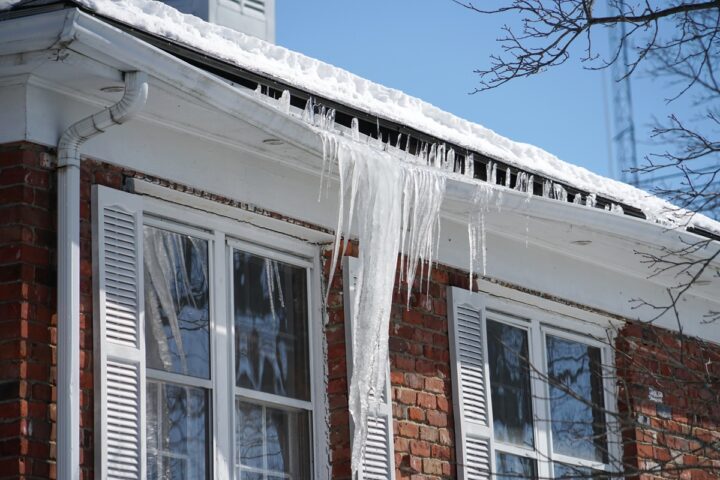
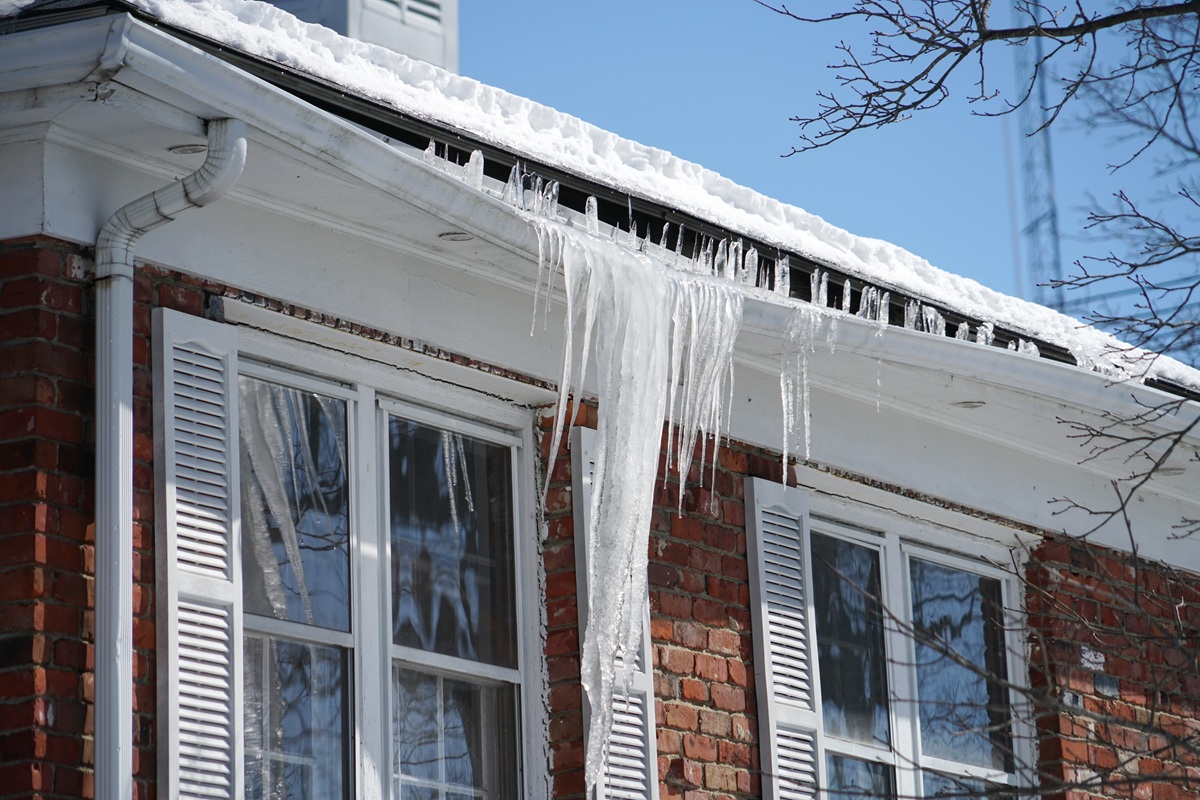
Ottawa house with icicles and damaged soffit caused by poor attic insulation.

1. Ice Dams on Roofs

What they mean: Ice dams form when warm air escapes through the attic and melts the bottom layer of snow. The water runs down the roof, refreezes at the eaves, and creates a ridge of ice.

Why it matters: That ice prevents proper runoff and can force water back under shingles, leading to leaks, stained ceilings, or even mold.

Buyer tip: Check for uneven snow melt or big, dramatic icicles hanging from the gutters. Those are signs of poor attic insulation or ventilation that could mean expensive energy bills and repairs.

2. Snow Patterns on the Roof

What they mean: Consistent, even snow cover suggests solid insulation. Bare patches show where heat is escaping, often directly above poorly insulated ceilings or ducts.

Why it matters: Energy inefficiency adds to your monthly costs and could point to outdated construction standards.

Buyer tip: Compare the roof to neighboring houses. If everyone else’s roof is holding snow but this one isn’t, that’s a red flag.

3. Frozen Pipes Risk

Clues to watch for:

  • Cold drafts in the basement or crawl space
  • Space heaters left running in utility rooms
  • Exposed plumbing with no visible insulation

Why it matters: Frozen or burst pipes can cause thousands in water damage in just a few hours. Even the risk of it should make you pause.

Buyer tip: Ask the seller or agent directly: Has this home ever had frozen or burst pipes? Their answer can save you a major headache.

4. Exterior Walkways and Drainage

What you see in winter: Ice sheets forming at the base of downspouts, pooling water frozen near the foundation, or icy paths along the driveway.

Why it matters: These clues suggest poor grading or inadequate drainage. Come spring, that water won’t freeze — it will seep into the basement.

Buyer tip: Look for extensions on downspouts and slope around the home. If water is directed away from the foundation, you’re in better shape.

5. Doors and Windows That Stick

What they mean: In cold weather, sticky doors or windows may suggest foundation shifting or frost heaving in the soil.

Why it matters: Structural movement can lead to cracks, misaligned frames, or costly long-term repairs.

Buyer tip: Open and close a few windows and doors during the showing. If several are stiff, ask whether the home has had any foundation work.

Conclusion

Winter gives you a front-row seat to how a home really performs under stress. From heat loss to water management, the season strips away the cosmetic polish and shows you the reality. Use it to your advantage.

Need a professional eye on your winter house hunt? Book a full home inspection or a quick walk-through consultation with me this month. I’ll help you spot red flags before they become costly surprises.

8 Questions Buyers Should Ask During a Home Viewing

8 Questions Home Buyers Should Ask During a Home Viewing

Walking through a home for the first time can be exciting, but it is often overwhelming, especially for first-time buyers. It is easy to focus on paint colors or staging and miss what truly matters.

That's why asking the right questions is so important. By looking beyond the surface, you can uncover details that reveal the home’s real condition, prepare for upcoming costs, and avoid unexpected repairs. These eight questions will help you spot red flags early and make confident, informed decisions.

Home buyer couple talking to realtor, inquiring about major components in the prospective home in the Ottawa Valley.

Walking through a home for the first time can feel exciting yet overwhelming, especially if you’re a first-time buyer. The listing agent will point out the highlights, while your own agent may not know every detail about that specific property. It is your responsibility to dig deeper.

Asking the right questions during a showing can reveal important details that help you make an informed decision about whether to buy and what price to offer. The answers could save you thousands down the road or even prevent you from making a costly mistake.

Here are eight important questions to keep in mind at every showing.

1. How old are the roof and major systems?

Furnaces, air conditioners, water heaters, and roofs all have limited lifespans. Even if they’re working during a showing, age is one of the best predictors of when costly replacements may be needed.

  • Ask the seller: How old are the furnace, water heater, air conditioner/heat pump, and roof? Have any major components been replaced recently?
  • Request documentation: Service records, warranty papers, or installation receipts can confirm both age and maintenance history.
  • Keep typical lifespans in mind:
    • Furnace: ~15 years
    • Roof: 15–25 years (depending on material)
    • Electric hot water tank: 10–15 years
    • Gas/propane hot water tank: 8–12 years
    • Air conditioners/air-source heat pumps: 10–15 years (up to 20 with good care)
    • Geothermal: 20–25 years (indoor components); 40–50 years (ground loop)

Why it matters: Replacing a furnace, roof, or water heater can cost thousands. Knowing the age of major systems helps you budget realistically, plan future upgrades, and avoid being blindsided by breakdowns soon after move-in.

2. Were major renovations done with permits?

A finished basement, new bathroom, or upgraded kitchen can add major appeal to a home. But the quality of that work depends on whether it was done to code and inspected by the city. If the seller skipped permits to save time or money, you may be inheriting hidden safety issues such as overloaded circuits, undersized plumbing, or structural changes that don’t meet building standards.

In Ottawa, you can verify this by pulling past permits at City Hall for about $100. This confirms whether the work was done legally and inspected. Without that paper trail, you may be left guessing about what’s behind the drywall.

  • Ask the seller: Were permits obtained for the basement, bathroom, or other renovations?
  • Request documentation: Look for final inspection reports or occupancy approvals, not just contractor invoices.
  • Be cautious of “cosmetic only” claims: Even “simple” upgrades often involve electrical or plumbing changes that technically require permits.

Why it matters: If renovations weren’t permitted, you could be liable for safety risks, costly corrections, or fines. Insurance companies may even deny claims if damage is linked to unpermitted work. Confirming the history of upgrades protects your investment and helps you avoid expensive surprise

3. Has the home ever had water or foundation issues?

Basements in Ottawa face extra stress from clay soils, heavy rain, and freeze–thaw cycles. Even if the basement looks dry during a showing, there may have been leaks in the past. Knowing whether water has entered before, and how it was addressed, helps you judge the quality of repairs and whether the problem could return.

  • Sump pumps: If one is installed, ask when it was last serviced or replaced. A neglected sump pump is a common cause of flooding.
  • Waterproofing or foundation repairs: Ask for permits and receipts to confirm the work was completed by professionals.
  • Quick fixes vs. lasting solutions: If leaks were simply patched or painted over, you could be dealing with the same issue again after the first spring thaw.

Why it matters: Water intrusion can lead to mold, structural damage, higher insurance premiums, and costly repairs. Having a clear history of the basement allows you to budget realistically, negotiate repairs or price adjustments, and avoid unexpected headaches after move-in.

4. What type of electrical service does the home have?

Older homes in Ottawa often come with legacy electrical systems that may not meet today’s needs. Some still have 60-amp service, which is considered undersized for modern living and can limit your ability to run multiple appliances, central air, or future upgrades. Others may have aluminum wiring, common in homes built in the 1960s and 70s. While safe when properly maintained, many insurers treat aluminum wiring as higher risk, sometimes requiring a licensed electrician’s inspection or even rewiring before granting coverage.

By contrast, most buyers (and insurance companies) expect at least a 100-amp electrical panel today. Homes with 200-amp service are even more desirable, as they allow for greater capacity and flexibility.

  • Ask the seller: What is the current service size? Has any wiring been replaced or updated?
  • Request documentation: Permits, inspection reports, or receipts for any upgrades help confirm the work was done properly.
  • Think ahead: If you plan to install an EV charging station or add energy-hungry features like a heat pump or hot tub, extra capacity (200-amp service) may save you from costly electrical upgrades later.

Why it matters: Electrical service impacts not only your safety and day-to-day convenience but also your ability to insure the home. Knowing what’s behind the panel helps you budget for upgrades and avoid unpleasant surprises with insurers or renovation plans.

5. Has the home been tested for radon?

Radon is a naturally occurring radioactive gas produced by the breakdown of uranium found in certain rocks, soils, and groundwater. Outdoors, it disperses harmlessly into the atmosphere, but when it seeps into homes through cracks and openings in the foundation, it can build up to dangerous levels. Radon is invisible, odorless, and tasteless. Long-term exposure is a known health risk. Parts of the Ottawa Valley, especially suburban and rural areas, are considered higher-risk zones for radon accumulation.

Testing is straightforward: a detector is placed in the lowest lived-in level of the home for at least 91 days during the heating season. If elevated levels are found, a mitigation system (usually a sub-slab depressurization system with a fan and vent pipe) can be installed, often for a few thousand dollars.

  • Ask the seller: Has radon testing ever been completed, and can they provide results?
  • If not tested: Factor the cost of testing into your post-purchase plans.
  • If high levels were found: Ask what mitigation steps were taken and request documentation that the system is functioning properly.

Why it matters: Long-term radon exposure is the second leading cause of lung cancer after smoking. Knowing the home’s radon history before you buy gives you peace of mind about indoor air quality and ensures you won’t face unexpected health or remediation costs after moving in.

6. Are there any transferable warranties?

Big-ticket items like roofs, windows, furnaces, air conditioners, and appliances sometimes still carry valid manufacturer or contractor warranties. In many cases, those warranties can be transferred to a new homeowner, either automatically or with a small transfer fee.

  • Ask the seller: Are there any active warranties on the roof, windows, major systems, or appliances?
  • Request documentation: Get the warranty certificates, receipts, and any transfer forms so you don’t lose coverage.
  • Confirm transfer rules: Some warranties require registration within a certain number of days after purchase.

Why it matters: Transferrable warranties can save you thousands if something fails after you move in. They also provide peace of mind that major components are protected, an unexpected bonus that many buyers overlook.

7. What are the typical utility costs?

Mortgage payments aren’t the only cost of homeownership. Monthly expenses like heat, electricity, and water can vary widely depending on the property’s size, age, and efficiency.

  • Ask the seller: What are the average monthly costs for heating, electricity, and water? Do they fluctuate significantly by season?
  • Request documentation: Whenever possible, ask to see copies of recent utility bills. This gives you a more accurate picture than estimates.
  • Factor in the home’s characteristics:
    • Older homes were built to outdated insulation and building code standards, which often means higher heating and cooling costs.
    • Larger homes can have exponentially higher utility costs than smaller houses or condos, even with modern systems.

Why it matters: Utilities can make a major difference in affordability. Getting a clear sense of ongoing costs ensures the home truly fits your budget, not just on paper, but month to month after you move in.

8. Ask to see the seller property information statement (SPIS)

The Seller Property Information Statement (SPIS) is a voluntary but strongly recommended form that allows sellers to disclose important details about a home’s condition. It can include information on past repairs, known structural issues, or environmental concerns, all valuable insights for buyers making an informed decision.

  • Ask the seller: Has an SPIS been completed for this property? If so, review it carefully to see what’s been disclosed.
  • Understand disclosure rules: By law, sellers are not required to disclose patent defects (issues that are obvious during a reasonable inspection), but they must disclose latent defects (hidden problems that affect safety or livability).
  • Watch for red flags: If a seller refuses to provide an SPIS, proceed with extra caution and consider whether additional inspections or protective conditions should be built into your offer.

Why it matters: A completed SPIS can provide peace of mind and uncover details you might otherwise miss. If one isn’t offered, it doesn’t mean something is wrong, but it does mean you should be extra diligent in investigating the property before moving forward.

Conclusion

Asking these questions won’t replace a professional home inspection, but they will give you a head start in understanding what you’re walking into. A good inspector can uncover hidden issues and provide expert guidance, but by asking smart questions early, you’ll walk into showings more prepared, spot red flags faster, and negotiate with greater confidence.

Think of these questions as your first line of defense, a way to protect your budget, avoid surprises, and make sure the home you fall in love with is the right fit for your lifestyle and your wallet.

Not sure how to interpret the answers you get during a showing? I can help.

A professional inspection is the best way to know exactly what you’re buying. Whether you book a pre-offer walk-through or a full home inspection, I’ll guide you step by step, answer your questions in plain language, and provide a clear, unbiased report you can rely on.

A professional inspection is the best way to know exactly what you’re buying. Whether you book a pre-offer walk-through or a full home inspection, I’ll guide you step by step, answer your questions in plain language, and provide a clear, unbiased report you can rely on. Contact me today to get started.

 

Download PDF of this article

Includes bonus checklist you can take along to open houses or showings.

10 Red Flags When Buying a House: What to Watch for at Open Houses in Ottawa

10 Red Flags When Buying a House: What to Watch for at Open Houses in Ottawa

Open houses showcase the good, but the warning signs often hide in the details. From musty basements and water stains to aging roofs and DIY fixes, these 10 red flags show Ottawa homebuyers what to look for before making an offer and how a professional inspection can protect your investment.

Introduction

Open houses are designed to highlight a property’s best features. The fresh paint, staged furniture, and pleasant smells are all meant to leave a good impression. But as a home inspector, I know that the real story is often written in the small details buyers overlook. Recognizing a red flag early can save you from unexpected costs and stress down the road. Here are the top 10 warning signs every Ottawa buyer should keep an eye out for.

1. Musty Smell in the Basement

A damp, musty odor in the basement is more than just an “old house smell.” It often signals water intrusion, hidden mold growth, or poor ventilation. Moisture problems can be costly to fix and, if ignored, may damage structural components like framing or joists. Mold also poses health risks, especially for those with allergies or asthma. In Ottawa homes, where snowmelt and heavy rains put pressure on foundations, basements are common trouble spots. Never dismiss this smell, treat it as a warning to look deeper for potential water damage.

2. Fresh Paint in Isolated Areas

Fresh paint isn’t always just about décor. When only one wall or patch is painted, it may be hiding cracks, water stains, or past damage. Sellers sometimes use paint to quickly cover issues rather than fix them properly. Take a closer look at areas that don’t match the rest of the room, especially near ceilings, corners, or basements. Look for uneven texture, bubbling, or discoloration bleeding through. Fresh paint in small sections should prompt you to ask why repairs were needed and whether the underlying problem was ever fully addressed.

3. Cracks in Walls or Ceilings

Not all cracks are created equal. Hairline cracks are common as homes naturally settle, but wide, jagged, or stair-step cracks can suggest structural movement or foundation problems. Cracks radiating from doors and windows may indicate shifting frames, while those along ceilings could signal roof or truss stress. Ottawa’s freeze-thaw cycles put added strain on foundations, making cracks an important red flag. Cosmetic fixes with plaster or paint can mask issues temporarily, so it’s wise to investigate further and ensure they’re not signs of something serious.

4. Sloping Floors

A sloping floor isn’t just a quirk of an older home. It can point to settlement problems, weakened support beams, or structural shifts. A quick test is to place a ball on the floor and see if it rolls, but also pay attention to doors that swing open on their own or furniture that doesn’t sit level. In severe cases, sloping floors can affect safety and indicate costly repairs are on the horizon. While minor settling is common, significant slopes should never be ignored during an open house, especially in homes with finished basements or additions.

5. Outdated Electrical Panels

Old fuse boxes, aluminum wiring, and undersized panels aren’t just outdated. They can be serious fire hazards. Aluminum wiring, common in homes built during the 1960s and 70s, is especially prone to overheating and failing at connection points. An undersized panel may also prevent you from running today’s energy-hungry appliances, such as central air conditioning, EV chargers, or even the electrical load of a finished basement. Electrical upgrades can be costly, but they are often necessary for both safety and long-term functionality.

6. Signs of DIY Renovations

Crooked tiles, uneven flooring, or exposed wiring can be more than cosmetic flaws—they often signal work done without permits or professional oversight. What may look like a simple shortcut can hide serious problems beneath the surface. Poorly laid tile can trap water and lead to leaks or mold. Uneven flooring may suggest subfloor damage or settlement issues. When workmanship falls short of code, today’s small defect can easily turn into tomorrow’s costly repair or safety risk.

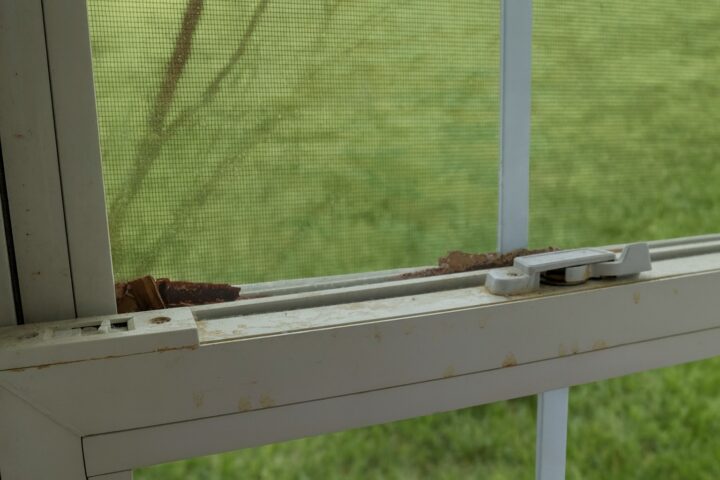
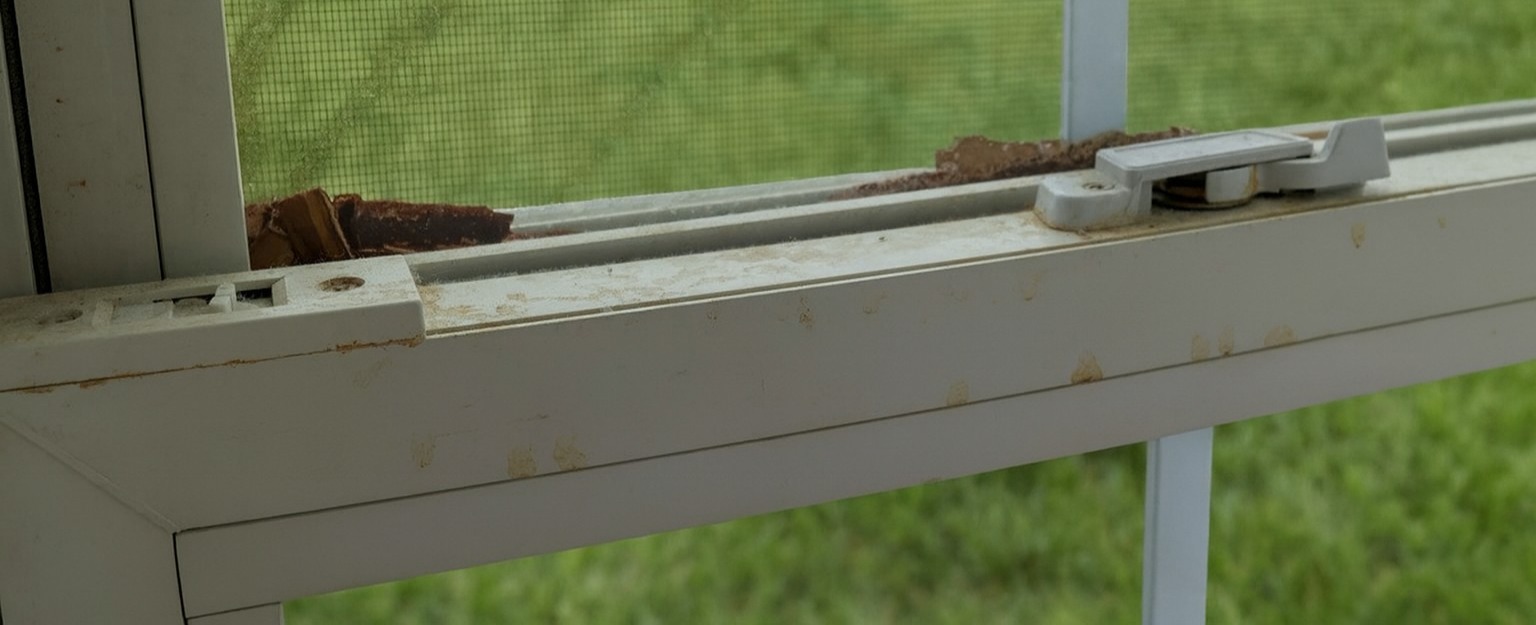
water stains around windows when buying a house

7. Water Stains Around Windows

Brown rings or peeling paint near window frames are more than cosmetic concerns, they often signal leaks, failed seals, or ongoing condensation problems. Moisture that seeps in around windows doesn’t just damage paint; it can lead to wood rot, mold growth, and even structural deterioration if ignored. Failed seals also reduce energy efficiency, causing drafts and higher heating and cooling bills. What looks like a small stain today may be an early warning of larger repair costs tomorrow, making it a red flag every homebuyer should watch for.

8. Poor Ventilation in Bathrooms

A bathroom without a working exhaust fan or with mildew on the ceiling is more than just an inconvenience, it’s a clear red flag for future mold and moisture problems. Proper ventilation helps remove excess humidity from showers and baths, protecting paint, drywall, and fixtures from long-term damage. In Ottawa’s humid summers, poor airflow makes it even easier for mildew and mold to thrive, which can affect indoor air quality and even your health. Replacing or repairing fans is a relatively small cost compared to the damage that unchecked moisture can cause over time.

9. Aging Roof Shingles

Curling, cracked, or missing shingles are more than just an eyesore, they signal that the roof is nearing the end of its life. A compromised roof can allow leaks that damage insulation, drywall, and even the structure beneath. Replacing a roof is one of the most expensive repairs a homeowner can face, often running into the tens of thousands. It’s also one of the most critical, since a roof is the first line of defense against Ottawa’s heavy snow, rain, and summer storms. Spotting shingle damage early can save you from much larger problems and unexpected costs down the road.

10. Overly Staged Homes

While staging can make a home look inviting, too much of it can be a red flag. Large rugs may be hiding stained or damaged floors, heavy curtains could be covering drafty windows, and dehumidifiers running during a showing may point to a damp basement. Overly arranged furniture can also be used to draw your eyes away from cracks, sloping floors, or other problem areas. While staging is common in Ottawa’s competitive market, buyers should look past the décor and ask what might be concealed. A picture-perfect room isn’t always the whole story, sometimes it’s a distraction.

Conclusion

Red flags don’t always mean you should walk away from a property, but they should prompt you to investigate further before committing to one of the biggest investments of your life.

Want a trained eye at your side? I specialize in helping Ottawa buyers spot red flags when buying a house. Book a pre-offer walk-through today, and I’ll guide you step by step so you can make a confident, informed decision.

Old vs New Homes: What to Expect in Ottawa’s Summer Buying Season

Old vs New Homes: What to Expect in Ottawa’s Summer Buying Season

Buying in Ottawa this summer? Old homes bring character and location, while new builds offer efficiency and warranty protection. This guide breaks down the pros, cons, and real Ottawa market stats so you can decide with confidence and shows why a professional inspection matters most.

Introduction: Why This Question Matters Now

Summer is always a busy time in Ottawa’s housing market. More listings appear, competition heats up, and buyers often find themselves making quick decisions. One of the biggest choices is also one of the oldest: should you buy a character-filled older home, or opt for a brand-new build with modern systems and warranty protection?

It’s a decision that affects not just your lifestyle, but your budget, long-term maintenance costs, and peace of mind. Older homes can offer prime locations, larger lots, and timeless charm — but they also bring higher upkeep and renovation needs. New homes often mean lower short-term maintenance, better energy efficiency, and warranty coverage — though sometimes at the expense of individuality and space.

This post will break down the trade-offs, highlight what current Ottawa housing statistics reveal, and help you decide which option might be right for you.

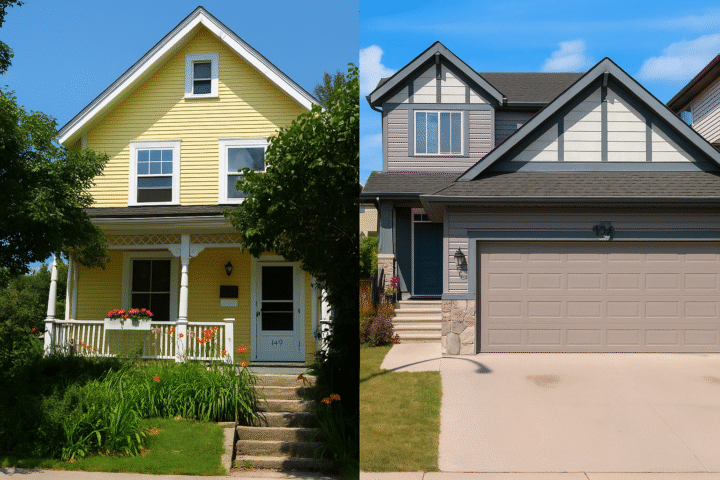
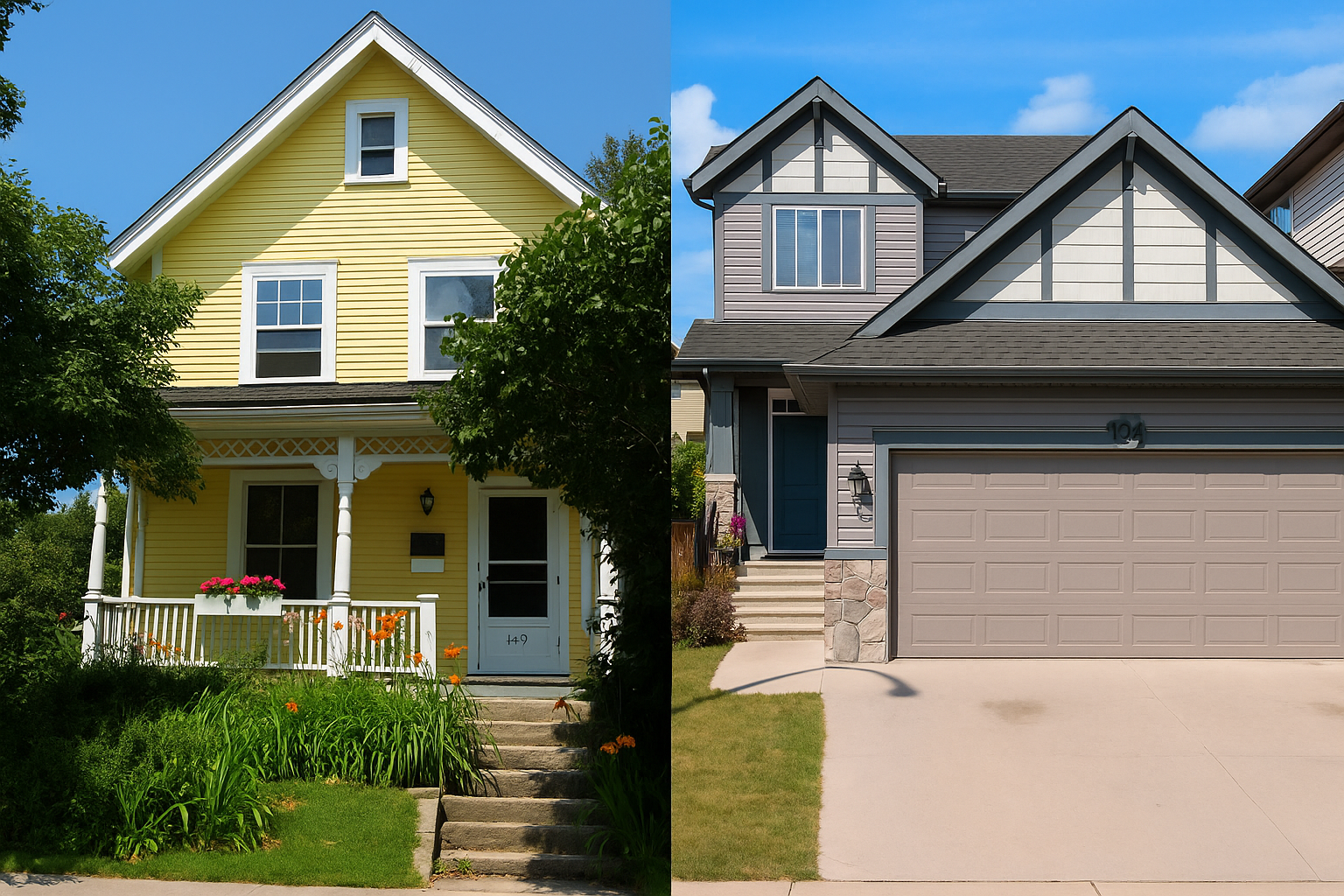
Side-by-side comparison of an older yellow Ottawa home with porch and flowers next to a modern gray suburban home with garage, illustrating old vs new homes.

What the Data Says: Ottawa & National Trends
(Mid-2025)

Before looking at the pros and cons, it’s important to understand the backdrop of today’s market.

Ottawa Insights

  • In April 2025, Ottawa recorded 4,878 active residential listings, up 54.2% compared to April 2024 (source: CREA).

  • That translated to roughly 3.7 months of inventory, higher than the 2.2 months seen the year prior and slightly above Ottawa’s long-term average for spring.

  • The MLS® Home Price Index composite benchmark price in April 2025 was $631,200, up about 1.1% year-over-year.

  • The average sale price year-to-date was $685,943, also about 1.1% higher than the same period in 2024.

  • In June 2025, the Ottawa Real Estate Board reported 1,602 sales, a 10.6% increase compared to June 2024.

The picture? Ottawa has more inventory than in previous tight years, but demand remains strong. Buyers have more choice, yet competition hasn’t disappeared.

National & New Home Trends

  • According to Statistics Canada, the New Housing Price Index for Ottawa–Gatineau (Ontario side) posted a 1.1% decline year-over-year as of June 2025 (source: StatCan).

  • Builders continue to face higher input costs for labour and materials, which often leads to smaller lot sizes or simplified finishes to keep prices competitive.

  • Nationally, economists project that 2025 will be a flat to modestly declining year for prices, as affordability challenges keep pressure on both resale and new construction markets.

The Appeal of Older Homes in Ottawa

Older homes, whether 1950s bungalows in Alta Vista or century homes in Sandy Hill, remain attractive to many buyers. Here’s why.

1. Character and Craftsmanship

Older homes bring personality that new builds often lack: real hardwood floors, crown mouldings, built-in cabinetry, stained glass, and detailed brickwork. These features reflect an era of craftsmanship that appeals to buyers looking for uniqueness.

2. Location and Lifestyle

Many older homes sit in central, walkable neighborhoods: The Glebe, Old Ottawa South, Westboro, Hintonburg. These areas offer established schools, parks, transit, and shops. For buyers who want community and convenience, location is often a deciding factor.

3. Larger Lots and Mature Trees

Developers in the mid-20th century built on more generous parcels of land. That means wider driveways, bigger backyards, and mature landscaping — something rarely found in new subdivisions where density is prioritized.

4. The Downsides: Maintenance and Renovations

Older homes do come with baggage:

  • Aging systems: wiring, plumbing, roofs, and windows may all need upgrading.
  • Moisture risks: Ottawa’s freeze-thaw cycle makes foundations and basements vulnerable.
  • Energy inefficiency: unless retrofitted, older homes lose heat quickly in winter and struggle with cooling in summer.
  • Hidden hazards: asbestos, lead paint, or knob-and-tube wiring can still be found in older housing stock.

Budgeting for these upgrades is essential. Even if the purchase price is lower, ownership costs can quickly add up.

The Promise of New Homes

Ottawa’s suburban developments — Barrhaven, Kanata, Orleans, Riverside South — are full of new construction. For many buyers, they represent convenience and predictability.

1. Modern Layouts

New homes reflect today’s lifestyle needs: open-concept kitchens, ensuite bathrooms, walk-in closets, and home offices. Flexible spaces and attached garages are common.

2. Lower Short-Term Maintenance

Everything is new, from the shingles to the furnace. For at least the first 5–10 years, major repair costs should be minimal.

3. Warranty Protection

In Ontario, new homes come with Tarion warranty coverage, protecting against defects in materials, workmanship, and structure for up to seven years. This gives buyers a financial safety net.

4. Trade-Offs

Smaller lots: to maximize land, developers often build on narrower lots.

  • Uniform designs: many new neighborhoods feature similar floorplans and façades.
  • Incomplete infrastructure: it can take years for new subdivisions to add schools, transit, or retail.
  • Construction shortcuts: poor grading, missing insulation, or rushed finishes can surface in inspections.

New homes reduce immediate maintenance risk, but aren’t immune to quality issues.

Cost Dynamics: Upfront vs Long-Term

A low purchase price doesn’t always mean cheaper ownership, and a higher price tag doesn’t always guarantee fewer headaches.

  • Older homes: often lower upfront cost, but 1–3% of the home’s value per year may need to be set aside for repairs and upgrades.
  • New homes: typically higher upfront cost, but annual maintenance is often under 1% of value in the early years.

A good rule of thumb: older homes are often cheaper to buy but more expensive to own, while newer homes are more expensive to buy but easier to maintain in the first decade.

Energy Efficiency in Ottawa’s Climate

Ottawa’s long winters and hot summers make efficiency a key consideration.

  • Older homes may still have single-pane windows, minimal insulation, and drafty doors. Heating costs in January can be significantly higher unless upgrades have been made.
  • New builds are constructed to current codes with efficient furnaces, better insulation, and high-performance windows. Utility bills are usually lower, but quality of installation should always be verified.

Lifestyle Fit: Which Buyer Are You?

  • Older home buyers: value uniqueness, location, and potential for renovations. Comfortable with ongoing projects and customization.
  • New home buyers: value predictability, low stress, and warranty-backed systems. Prefer move-in readiness and less maintenance.

Neither option is “better” — it depends on your lifestyle, budget, and tolerance for surprises.

Inspection Insights

As a home inspector, I see both types of homes regularly. Here’s what I look for.

Older Homes

  • Foundation cracks or water intrusion
  • Outdated wiring (knob-and-tube, aluminum)
  • Asbestos insulation or lead paint
  • Chimney deterioration
  • Roofs nearing end of life

Newer Homes

  • Poor grading or drainage near the foundation
  • Missing or thin insulation in attics
  • Improperly installed flashing around windows and doors
  • Settlement cracks in drywall
  • Rushed finishing work

Even with a warranty, documenting issues early ensures they can be addressed before they become costly.

Side-by-Side Comparison

Feature Older Homes (Pre-1990s) New Builds (2000s–Present)
Character & Style Unique architecture, charm Modern layouts, open concept
Maintenance Higher upkeep, aging systems Lower short-term repairs
Location Central, walkable neighborhoods Often suburban, developing areas
Lot Size Larger yards, mature trees Smaller lots, limited green space
Energy Efficiency Outdated insulation/windows Built to current codes
Cost Over Time Lower purchase, higher upkeep Higher purchase, lower upkeep
Warranty None, “as-is” Tarion/builder coverage
Renovation Potential Great for customization Limited, but fewer renos needed

Final Thoughts: Making the Choice

The Ottawa housing market in June 2025 offers more inventory than in past years, but affordability remains tight. Buyers weighing older vs new homes face a classic trade-off:

  • Older homes offer location, charm, and space, but require more care and upgrades.
  • New builds offer warranties, efficiency, and fewer immediate headaches, but may sacrifice individuality and lot size.

There’s no universal right answer. Just the one that fits your lifestyle and budget. What’s true in all cases: a professional inspection is the key to making sure your investment is sound. By identifying risks and clarifying costs upfront, you can move forward with confidence. If you’re planning to buy in Ottawa, book your inspection with me today. Let’s make sure your next home is a safe, smart investment.