Old vs New Homes: What to Expect in Ottawa’s Summer Buying Season
Buying in Ottawa this summer? Old homes bring character and location, while new builds offer efficiency and warranty protection. This guide breaks down the pros, cons, and real Ottawa market stats so you can decide with confidence and shows why a professional inspection matters most.
Introduction: Why This Question Matters Now
Summer is always a busy time in Ottawa’s housing market. More listings appear, competition heats up, and buyers often find themselves making quick decisions. One of the biggest choices is also one of the oldest: should you buy a character-filled older home, or opt for a brand-new build with modern systems and warranty protection?
It’s a decision that affects not just your lifestyle, but your budget, long-term maintenance costs, and peace of mind. Older homes can offer prime locations, larger lots, and timeless charm — but they also bring higher upkeep and renovation needs. New homes often mean lower short-term maintenance, better energy efficiency, and warranty coverage — though sometimes at the expense of individuality and space.
This post will break down the trade-offs, highlight what current Ottawa housing statistics reveal, and help you decide which option might be right for you.
What the Data Says: Ottawa & National Trends
(Mid-2025)
Before looking at the pros and cons, it’s important to understand the backdrop of today’s market.
Ottawa Insights
-
In April 2025, Ottawa recorded 4,878 active residential listings, up 54.2% compared to April 2024 (source: CREA).
-
That translated to roughly 3.7 months of inventory, higher than the 2.2 months seen the year prior and slightly above Ottawa’s long-term average for spring.
-
The MLS® Home Price Index composite benchmark price in April 2025 was $631,200, up about 1.1% year-over-year.
-
The average sale price year-to-date was $685,943, also about 1.1% higher than the same period in 2024.
-
In June 2025, the Ottawa Real Estate Board reported 1,602 sales, a 10.6% increase compared to June 2024.
The picture? Ottawa has more inventory than in previous tight years, but demand remains strong. Buyers have more choice, yet competition hasn’t disappeared.
National & New Home Trends
-
According to Statistics Canada, the New Housing Price Index for Ottawa–Gatineau (Ontario side) posted a 1.1% decline year-over-year as of June 2025 (source: StatCan).
-
Builders continue to face higher input costs for labour and materials, which often leads to smaller lot sizes or simplified finishes to keep prices competitive.
-
Nationally, economists project that 2025 will be a flat to modestly declining year for prices, as affordability challenges keep pressure on both resale and new construction markets.
The Appeal of Older Homes in Ottawa
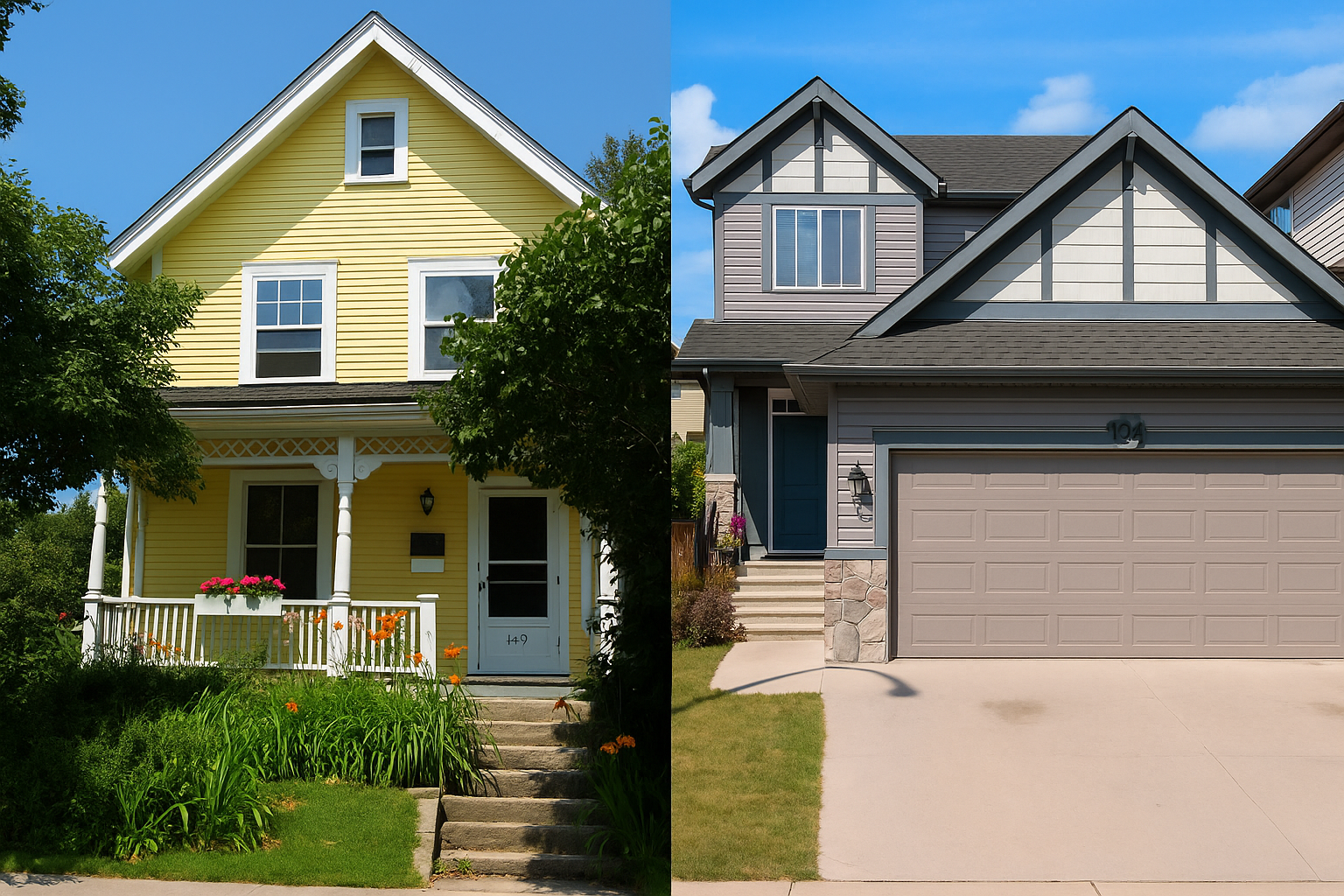
Older homes, whether 1950s bungalows in Alta Vista or century homes in Sandy Hill, remain attractive to many buyers. Here’s why.
1. Character and Craftsmanship
Older homes bring personality that new builds often lack: real hardwood floors, crown mouldings, built-in cabinetry, stained glass, and detailed brickwork. These features reflect an era of craftsmanship that appeals to buyers looking for uniqueness.
2. Location and Lifestyle
Many older homes sit in central, walkable neighborhoods: The Glebe, Old Ottawa South, Westboro, Hintonburg. These areas offer established schools, parks, transit, and shops. For buyers who want community and convenience, location is often a deciding factor.
3. Larger Lots and Mature Trees
Developers in the mid-20th century built on more generous parcels of land. That means wider driveways, bigger backyards, and mature landscaping — something rarely found in new subdivisions where density is prioritized.
4. The Downsides: Maintenance and Renovations
Older homes do come with baggage:
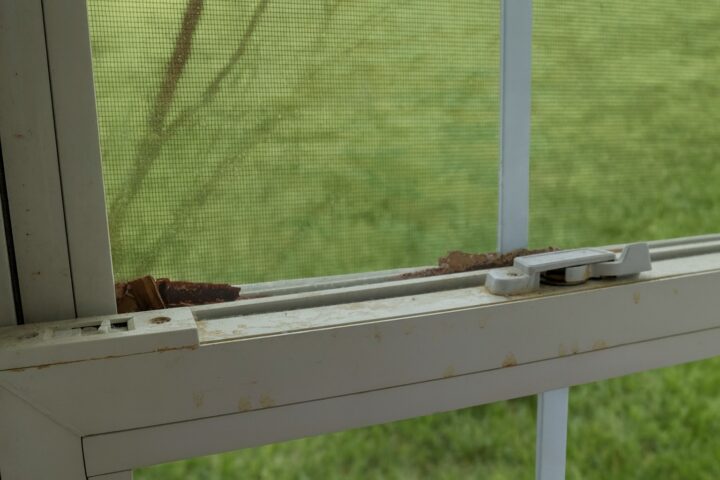
- Aging systems: wiring, plumbing, roofs, and windows may all need upgrading.
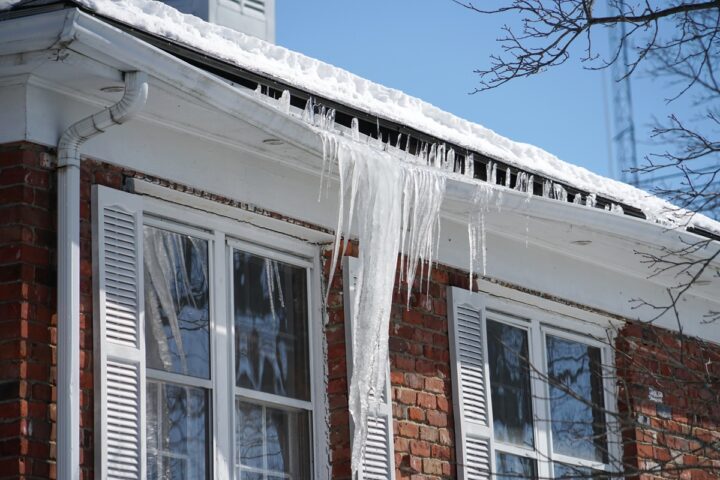
- Moisture risks: Ottawa’s freeze-thaw cycle makes foundations and basements vulnerable.
- Energy inefficiency: unless retrofitted, older homes lose heat quickly in winter and struggle with cooling in summer.
- Hidden hazards: asbestos, lead paint, or knob-and-tube wiring can still be found in older housing stock.
Budgeting for these upgrades is essential. Even if the purchase price is lower, ownership costs can quickly add up.
The Promise of New Homes
Ottawa’s suburban developments — Barrhaven, Kanata, Orleans, Riverside South — are full of new construction. For many buyers, they represent convenience and predictability.
1. Modern Layouts
New homes reflect today’s lifestyle needs: open-concept kitchens, ensuite bathrooms, walk-in closets, and home offices. Flexible spaces and attached garages are common.
2. Lower Short-Term Maintenance
Everything is new, from the shingles to the furnace. For at least the first 5–10 years, major repair costs should be minimal.
3. Warranty Protection
In Ontario, new homes come with Tarion warranty coverage, protecting against defects in materials, workmanship, and structure for up to seven years. This gives buyers a financial safety net.
4. Trade-Offs
Smaller lots: to maximize land, developers often build on narrower lots.
- Uniform designs: many new neighborhoods feature similar floorplans and façades.
- Incomplete infrastructure: it can take years for new subdivisions to add schools, transit, or retail.
- Construction shortcuts: poor grading, missing insulation, or rushed finishes can surface in inspections.
New homes reduce immediate maintenance risk, but aren’t immune to quality issues.
Cost Dynamics: Upfront vs Long-Term
A low purchase price doesn’t always mean cheaper ownership, and a higher price tag doesn’t always guarantee fewer headaches.
- Older homes: often lower upfront cost, but 1–3% of the home’s value per year may need to be set aside for repairs and upgrades.
- New homes: typically higher upfront cost, but annual maintenance is often under 1% of value in the early years.
A good rule of thumb: older homes are often cheaper to buy but more expensive to own, while newer homes are more expensive to buy but easier to maintain in the first decade.
Energy Efficiency in Ottawa’s Climate
Ottawa’s long winters and hot summers make efficiency a key consideration.
- Older homes may still have single-pane windows, minimal insulation, and drafty doors. Heating costs in January can be significantly higher unless upgrades have been made.
- New builds are constructed to current codes with efficient furnaces, better insulation, and high-performance windows. Utility bills are usually lower, but quality of installation should always be verified.
Lifestyle Fit: Which Buyer Are You?
- Older home buyers: value uniqueness, location, and potential for renovations. Comfortable with ongoing projects and customization.
- New home buyers: value predictability, low stress, and warranty-backed systems. Prefer move-in readiness and less maintenance.
Neither option is “better” — it depends on your lifestyle, budget, and tolerance for surprises.
Inspection Insights
As a home inspector, I see both types of homes regularly. Here’s what I look for.
Older Homes
- Foundation cracks or water intrusion
- Outdated wiring (knob-and-tube, aluminum)
- Asbestos insulation or lead paint
- Chimney deterioration
- Roofs nearing end of life
Newer Homes
- Poor grading or drainage near the foundation
- Missing or thin insulation in attics
- Improperly installed flashing around windows and doors
- Settlement cracks in drywall
- Rushed finishing work
Even with a warranty, documenting issues early ensures they can be addressed before they become costly.
Side-by-Side Comparison
| Feature | Older Homes (Pre-1990s) | New Builds (2000s–Present) |
| Character & Style | Unique architecture, charm | Modern layouts, open concept |
| Maintenance | Higher upkeep, aging systems | Lower short-term repairs |
| Location | Central, walkable neighborhoods | Often suburban, developing areas |
| Lot Size | Larger yards, mature trees | Smaller lots, limited green space |
| Energy Efficiency | Outdated insulation/windows | Built to current codes |
| Cost Over Time | Lower purchase, higher upkeep | Higher purchase, lower upkeep |
| Warranty | None, “as-is” | Tarion/builder coverage |
| Renovation Potential | Great for customization | Limited, but fewer renos needed |
Final Thoughts: Making the Choice
The Ottawa housing market in June 2025 offers more inventory than in past years, but affordability remains tight. Buyers weighing older vs new homes face a classic trade-off:
- Older homes offer location, charm, and space, but require more care and upgrades.
- New builds offer warranties, efficiency, and fewer immediate headaches, but may sacrifice individuality and lot size.
There’s no universal right answer. Just the one that fits your lifestyle and budget. What’s true in all cases: a professional inspection is the key to making sure your investment is sound. By identifying risks and clarifying costs upfront, you can move forward with confidence. If you’re planning to buy in Ottawa, book your inspection with me today. Let’s make sure your next home is a safe, smart investment.