What Snow and Ice Can Reveal About a Home
Winter house hunting gives buyers an advantage. Snow and ice reveal hidden issues like poor insulation, frozen pipe risks, drainage problems, and foundation shifts. Learn what to look for when viewing homes in Ottawa this winter — before small warning signs become big repair bills.
Introduction
House hunting in winter may feel inconvenient, but it gives you a huge advantage. Snow and ice reveal flaws that no open house in July will ever show you. From roof insulation to drainage issues, winter conditions put a spotlight on hidden problems that could cost thousands down the road. If you know what to look for, you can use the season to your advantage and make smarter buying decisions.
1. Ice Dams on Roofs
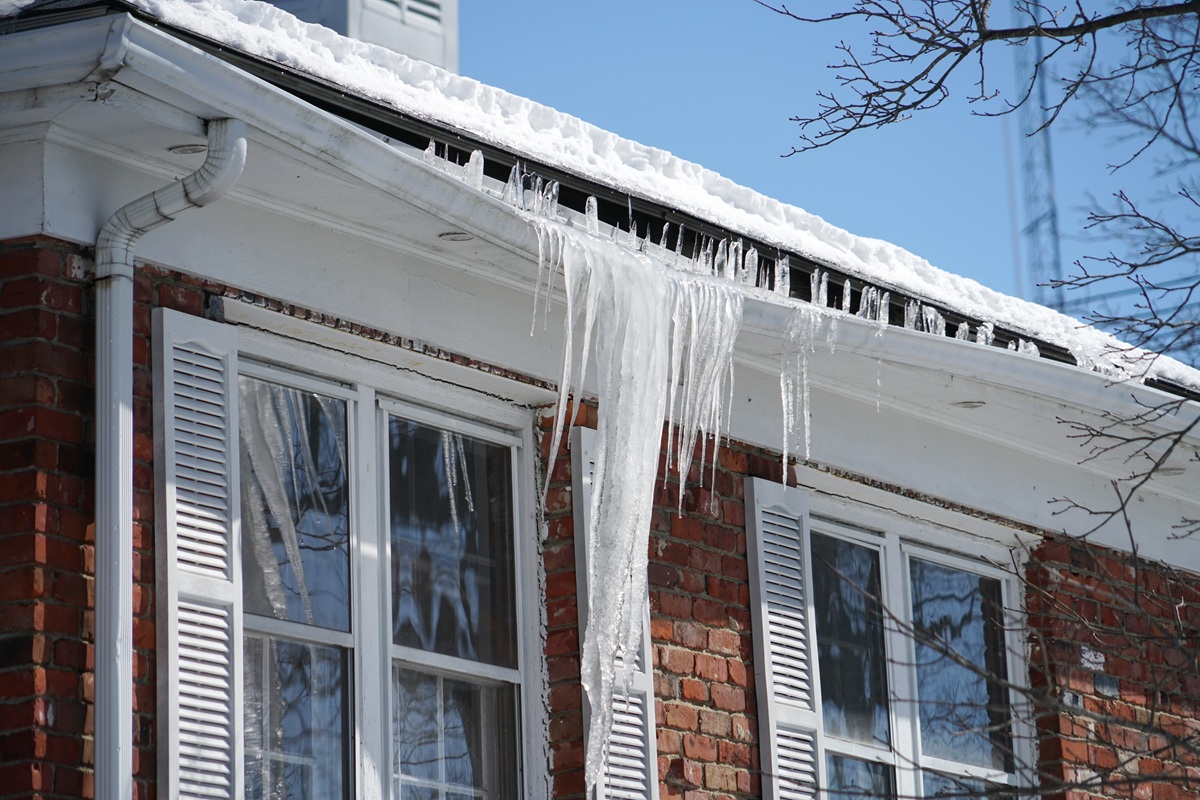
What they mean: Ice dams form when warm air escapes through the attic and melts the bottom layer of snow. The water runs down the roof, refreezes at the eaves, and creates a ridge of ice.
Why it matters: That ice prevents proper runoff and can force water back under shingles, leading to leaks, stained ceilings, or even mold.
Buyer tip: Check for uneven snow melt or big, dramatic icicles hanging from the gutters. Those are signs of poor attic insulation or ventilation that could mean expensive energy bills and repairs.
2. Snow Patterns on the Roof
What they mean: Consistent, even snow cover suggests solid insulation. Bare patches show where heat is escaping, often directly above poorly insulated ceilings or ducts.
Why it matters: Energy inefficiency adds to your monthly costs and could point to outdated construction standards.
Buyer tip: Compare the roof to neighboring houses. If everyone else’s roof is holding snow but this one isn’t, that’s a red flag.
3. Frozen Pipes Risk
Clues to watch for:
- Cold drafts in the basement or crawl space
- Space heaters left running in utility rooms
- Exposed plumbing with no visible insulation
Why it matters: Frozen or burst pipes can cause thousands in water damage in just a few hours. Even the risk of it should make you pause.
Buyer tip: Ask the seller or agent directly: Has this home ever had frozen or burst pipes? Their answer can save you a major headache.
4. Exterior Walkways and Drainage
What you see in winter: Ice sheets forming at the base of downspouts, pooling water frozen near the foundation, or icy paths along the driveway.
Why it matters: These clues suggest poor grading or inadequate drainage. Come spring, that water won’t freeze — it will seep into the basement.
Buyer tip: Look for extensions on downspouts and slope around the home. If water is directed away from the foundation, you’re in better shape.
5. Doors and Windows That Stick
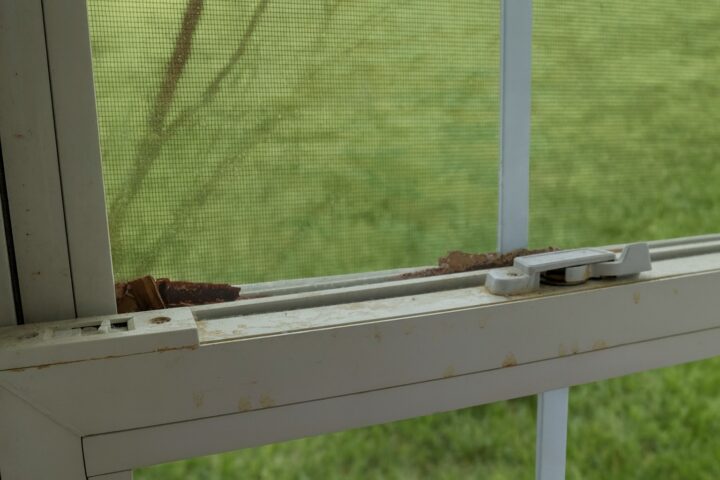
What they mean: In cold weather, sticky doors or windows may suggest foundation shifting or frost heaving in the soil.
Why it matters: Structural movement can lead to cracks, misaligned frames, or costly long-term repairs.
Buyer tip: Open and close a few windows and doors during the showing. If several are stiff, ask whether the home has had any foundation work.
Conclusion
Winter gives you a front-row seat to how a home really performs under stress. From heat loss to water management, the season strips away the cosmetic polish and shows you the reality. Use it to your advantage.
Need a professional eye on your winter house hunt? Book a full home inspection or a quick walk-through consultation with me this month. I’ll help you spot red flags before they become costly surprises.